
 Blog
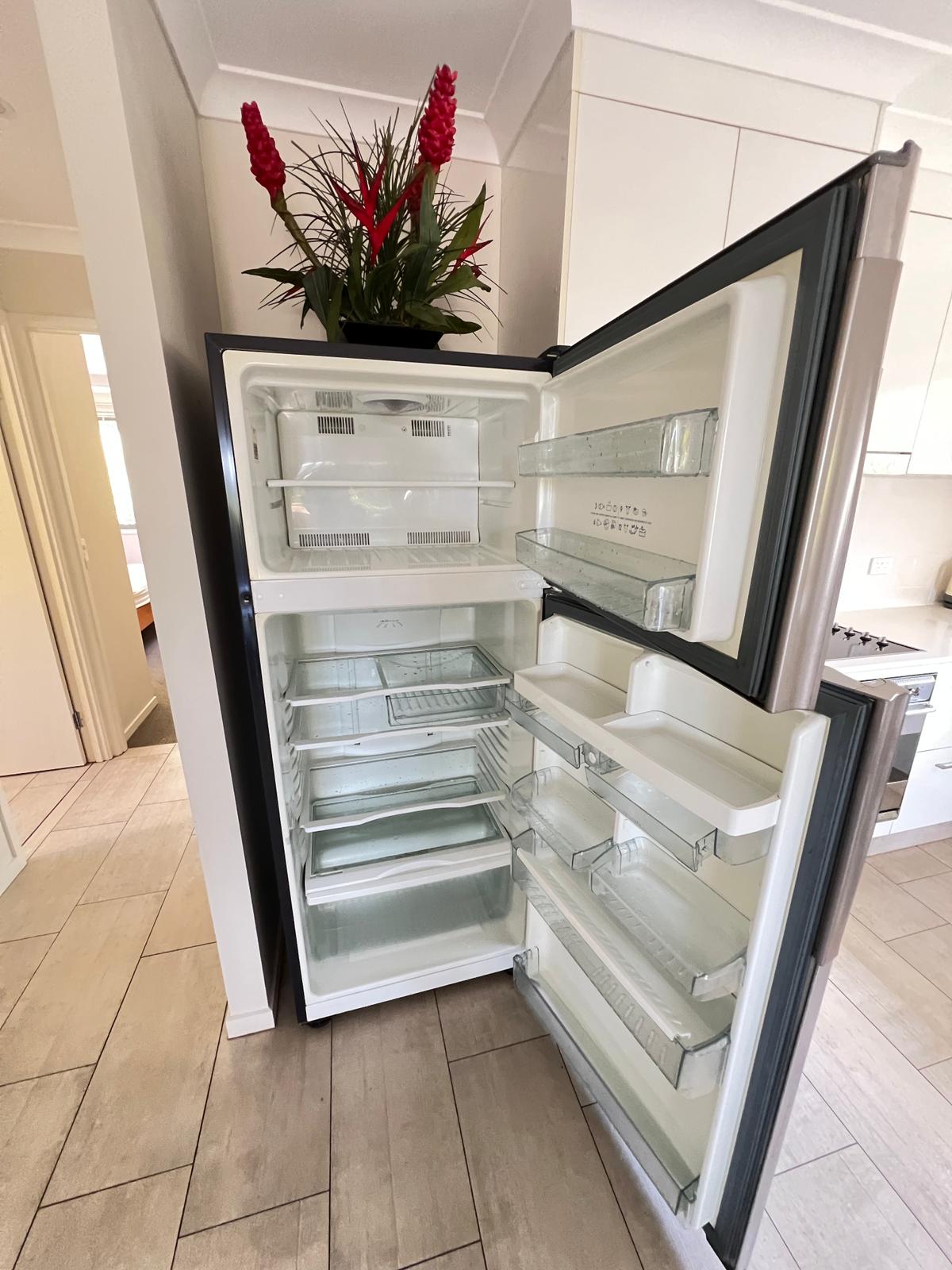
BlogIf your fridge has mystery drips, sticky shelves, and a smell you can’t quite identify, you’re not alone. Fridges work hard every day, and small spills build up quietly until they start affecting hygiene, food freshness, and even how well your fridge runs.
The good news: deep cleaning your fridge is easier than it sounds. With the right order (and a few simple supplies), you can get it looking and smelling fresh in under an hour.
Internal link idea: Doing a full kitchen refresh? Pair this with: The Ultimate Guide to Sustainable Spring Cleaning
Why Deep Clean Your Fridge?
A proper deep clean helps you:
-
Remove bacteria and sticky residue that can contaminate food containers
-
Eliminate odours instead of masking them
-
Spot expired items and reduce food waste
-
Keep the fridge running efficiently (clean seals and vents matter more than people realise)
How Often Should You Clean Your Fridge?
A simple routine that works for most homes:
-
Quick wipe + bin check: weekly (5 minutes)
-
Shelf wipe + drawer rinse: monthly
-
Deep clean: every 3–4 months (or seasonally)
Internal link idea: For a repeatable schedule, link: Green Cleaning Routine That Fits Your Lifestyle
What You’ll Need (Low-Tox, Effective Supplies)
You don’t need strong chemicals for a fridge. Keep it food-safe and simple:
-
Microfibre cloths or clean sponges
-
A bowl or bucket of warm water
-
Mild dish soap
-
Baking soda (for deodorising)
-
White vinegar (optional for glass/odour; avoid overuse on rubber seals)
-
Old toothbrush (for corners and seals)
-
Tea towel or drying cloth
-
Cooler bag or esky + ice packs (optional, if you’ll take longer)
Safety note: Never use harsh cleaners or strong fragrances inside food storage areas. Avoid bleach unless you absolutely must (and rinse extremely well).
Step-by-Step: Deep Cleaning Your Fridge
Step 1: Plan the timing (make it easy on yourself)
Do this right before grocery day or when the fridge is already low. Less food = less hassle.
If you’ve got lots of items:
-
Use an esky/cooler bag for dairy and meat
-
Keep the door closed as much as possible
Step 2: Empty everything (and sort as you go)
Take everything out and group items:
-
Keep: still fresh, properly sealed
-
Bin/compost: expired or spoiled
-
Wipe and return later: sticky jars, sauce bottles, containers
Quick waste-reducer tip: If a jar is sticky outside, rinse it now—those drips are what create mess later.
Step 3: Remove shelves and drawers
Most shelves and drawers come out easily.
-
Wash them in warm soapy water in the sink (or bathtub for large parts).
-
Don’t use boiling water—temperature shock can crack glass shelves.
Pro tip: If a shelf is very cold, let it warm slightly before washing.
Step 4: Clean the inside top-to-bottom
Make a simple cleaning solution:
-
Warm water + a few drops of dish soap
Wipe in this order:
-
Top interior surfaces
-
Side walls
-
Back panel
-
Lower surfaces
-
Door shelves
Don’t forget corners—that’s where gunk collects.
Step 5: Handle stubborn spills properly (no aggressive scraping)
For dried spills or sticky patches:
-
Lay a warm damp cloth over the area for 2–3 minutes
-
Then wipe again gently
If needed, use a soft scrub with:
-
Baking soda + a small amount of water to form a paste
Avoid abrasive scourers—they can scratch surfaces and make future cleaning harder.
Step 6: Clean the door seals (this is the hidden “must-do”)
The rubber gasket (seal) traps crumbs, sticky residue, and mould.
-
Use a soft toothbrush + warm soapy water
-
Gently clean along the folds
-
Wipe dry afterwards
Why it matters: Clean seals help the door close properly, improving cooling efficiency.
Step 7: Dry everything thoroughly
Moisture = odour and possible mould.
-
Dry interior surfaces with a clean towel
-
Dry shelves and drawers completely before returning them
Step 8: Deodorise the fridge (properly)
If there’s lingering smell:
Option 1: Baking soda
-
Place a small open container of baking soda in the fridge
-
Replace every 1–2 months
Option 2: Vinegar wipe (light use)
-
A quick wipe with diluted vinegar can help, but don’t soak rubber seals
Step 9: Return items with a “clean setup”
Before putting food back:
-
Wipe jars and bottles (especially bases)
-
Use clear containers or small trays to catch future leaks
-
Group items so nothing gets lost at the back
Simple rule: If you can’t see it, you’ll forget it—and waste it.
Bonus: Don’t Skip the Outside (It’s Quick and Makes a Big Difference)
Fridge exterior
-
Wipe handles (high touch point)
-
Clean stainless steel with a damp cloth, then dry
Under/behind the fridge (optional but worth it)
If you can safely access it:
-
Vacuum dust from vents or the grill area
-
Dust build-up can affect efficiency
Easy Fridge Maintenance Routine (5 Minutes a Week)
Set yourself up so deep cleaning becomes rare:
-
Quick scan for expired items
-
Wipe any fresh spills immediately
-
Empty the crisper drawer of old produce
-
Wipe handles and door shelves
Internal link idea: If you have a general checklist, add: Our Cleaning Checklist
Common Fridge Problems (And Fast Fixes)
“My fridge still smells after cleaning”
-
Check for hidden spills under drawers
-
Inspect door seals
-
Look for older produce in the crisper
-
Place baking soda inside for ongoing odour control
“Shelves keep getting sticky”
-
Wipe jar bases before returning items
-
Use a tray under sauces and condiments
-
Store meat in a sealed container to prevent drips
“I get mould around seals”
-
Clean folds gently with soapy water
-
Dry well afterwards
-
Improve airflow and keep the door from being left open too long
When to Call a Professional Deep Clean
If you’re short on time, moving out, managing a rental inspection, or the fridge has heavy build-up, it can be worth outsourcing.
Internal link idea (service page): Book a Deep Cleaning Service
Internal link idea (kitchen focus): Kitchen Cleaning Services
Quick Checklist: Deep Clean Your Fridge
-
Empty fridge + sort items
-
Remove shelves and drawers
-
Wash shelves/drawers in warm soapy water
-
Wipe inside surfaces top-to-bottom
-
Treat stuck-on spills (warm cloth + baking soda paste)
-
Clean and dry door seals
-
Dry everything thoroughly
-
Deodorise (baking soda)
-
Return items neatly (wipe jars, use trays)
Final Thoughts
A clean fridge isn’t just about appearances—it protects food quality, reduces waste, and keeps your kitchen feeling organised. Once you do it once with a proper system, it becomes a quick reset you can knock over every few months without stress.
If you tell me your website page URLs (or your navigation menu), I can replace the internal links above with your exact pages and add a tighter keyword map so each blog supports the next without cannibalising SEO.
