
 Blog
BlogIf you struggle with sneezing, itchy eyes, runny nose or wheezing at home, you’re not alone. Dust, pet dander, mould spores and pollen can easily build up in carpets, mattresses, curtains and hidden corners. A normal “surface tidy” isn’t always enough.
The good news is that with the right routine and a few smart strategies, deep cleaning can noticeably reduce allergy triggers and help you breathe easier. In this guide, we’ll walk through practical deep cleaning tips for allergy sufferers that you can follow room by room.
Internal link suggestion:
Near the start of the blog, you can link to your main service page, e.g.:
“If you’d rather leave the hard work to professionals, explore our Deep Cleaning Services for a thorough, allergy-friendly clean.”
What Triggers Allergies at Home?
Common indoor allergens include:
-
Dust mites – microscopic bugs that live in soft furnishings
-
Pet dander – tiny flakes of skin and hair from cats, dogs and other pets
-
Pollen – carried indoors on shoes, clothes, and through open windows
-
Mould and mildew – often found in damp bathrooms, kitchens and poorly ventilated rooms
-
Household dust – a mix of fibres, skin cells, fabric lint and more
Deep cleaning is about going beyond what you see and targeting where these allergens like to hide.
Step 1: Start with Decluttering
Clutter isn’t just messy—it also traps dust and makes cleaning harder.
-
Clear surfaces: Remove unnecessary items from bedside tables, shelves and floors.
-
Minimise fabric clutter: Extra cushions, throws and soft toys can hold lots of dust.
-
Use closed storage: Opt for drawers, cupboards and storage boxes with lids instead of open shelves.
The less clutter you have, the easier it is to keep allergens under control.
Step 2: Dust From Top to Bottom (The Right Way)
Random dusting just moves particles around. For allergy sufferers, technique matters.
-
Always dust high to low: Start with ceiling fans, light fittings and the tops of wardrobes, then work downwards.
-
Use a damp microfibre cloth: Dry dusters and feather dusters tend to throw dust back into the air.
-
Don’t forget hidden spots:
-
Behind the TV and electronics
-
Window sills and blinds
-
Skirting boards and door frames
-
Internal link suggestion:
Add a link around here to a general house cleaning page, e.g.:
“For more day-to-day cleaning ideas, see our Regular House Cleaning Services.”
Step 3: Vacuum Properly (And Often)
For allergy sufferers, the vacuum cleaner is one of the most important tools.
Choose the Right Vacuum
-
Ideally, use a vacuum with a HEPA filter to trap tiny particles.
-
Make sure the filter and bags (or dust canister) are emptied regularly outside.
How to Vacuum for Allergies
-
Go slowly over high-traffic areas and carpets.
-
Use attachments to vacuum:
-
Along skirting boards
-
Under and behind furniture
-
Upholstery, mattresses and fabric headboards
-
-
Vacuum at least twice a week, and more often during allergy season or if you have pets.
Step 4: Wash Bedding, Curtains and Soft Furnishings
Soft fabrics are a favourite hiding place for dust mites and allergens.
Bedding
-
Wash sheets and pillowcases weekly in hot water (check care labels).
-
Wash duvets, quilts and blankets regularly as well.
-
Use mattress and pillow protectors that are allergy-proof if possible.
Curtains and Blinds
-
Wash or steam curtains every few months.
-
Dust blinds regularly with a damp cloth or vacuum attachment.
Cushions and Throws
-
Wash covers frequently, especially in living rooms and bedrooms.
-
For items that can’t be washed, use a vacuum upholstery tool and a fabric-safe anti-allergen spray.
Step 5: Focus on the Bedroom – Your Allergy Safe Zone
Because you spend so many hours sleeping, the bedroom is the most important space to keep allergen-light.
-
Keep pets out of the bedroom if possible.
-
Avoid heavy fabric headboards and excess cushions.
-
Choose easily washable bedding and covers.
-
Mop or vacuum under the bed where dust accumulates.
Internal link suggestion:
You can add something like:
“For move-out situations where a thorough clean is required, our End of Lease / Bond Cleaning can help you meet strict inspection standards while reducing allergens.”
Step 6: Deep Clean Carpets and Rugs
Carpets can trap dust, hair, pollen and pet dander deep in the fibres.
-
Move furniture where possible to vacuum underneath.
-
Sprinkle baking soda on carpets, leave for 15–30 minutes, then vacuum thoroughly to help neutralise odours.
-
Consider professional carpet cleaning at least once or twice a year, especially if you have pets or asthma.
If you are severely allergic, you might eventually consider replacing old carpets with hard flooring and washable rugs.
Step 7: Control Mould and Moisture in Bathrooms & Kitchens
Mould spores can be a major trigger for allergy and asthma symptoms.
-
Clean tiles, grout and shower screens regularly to prevent mould build-up.
-
Use an exhaust fan or open windows during and after showers.
-
Wipe condensation from windows and surfaces.
-
Fix any leaks promptly (under sinks, behind toilets, around the bath).
-
Use mould-resistant products for areas that are prone to dampness.
Internal link suggestion:
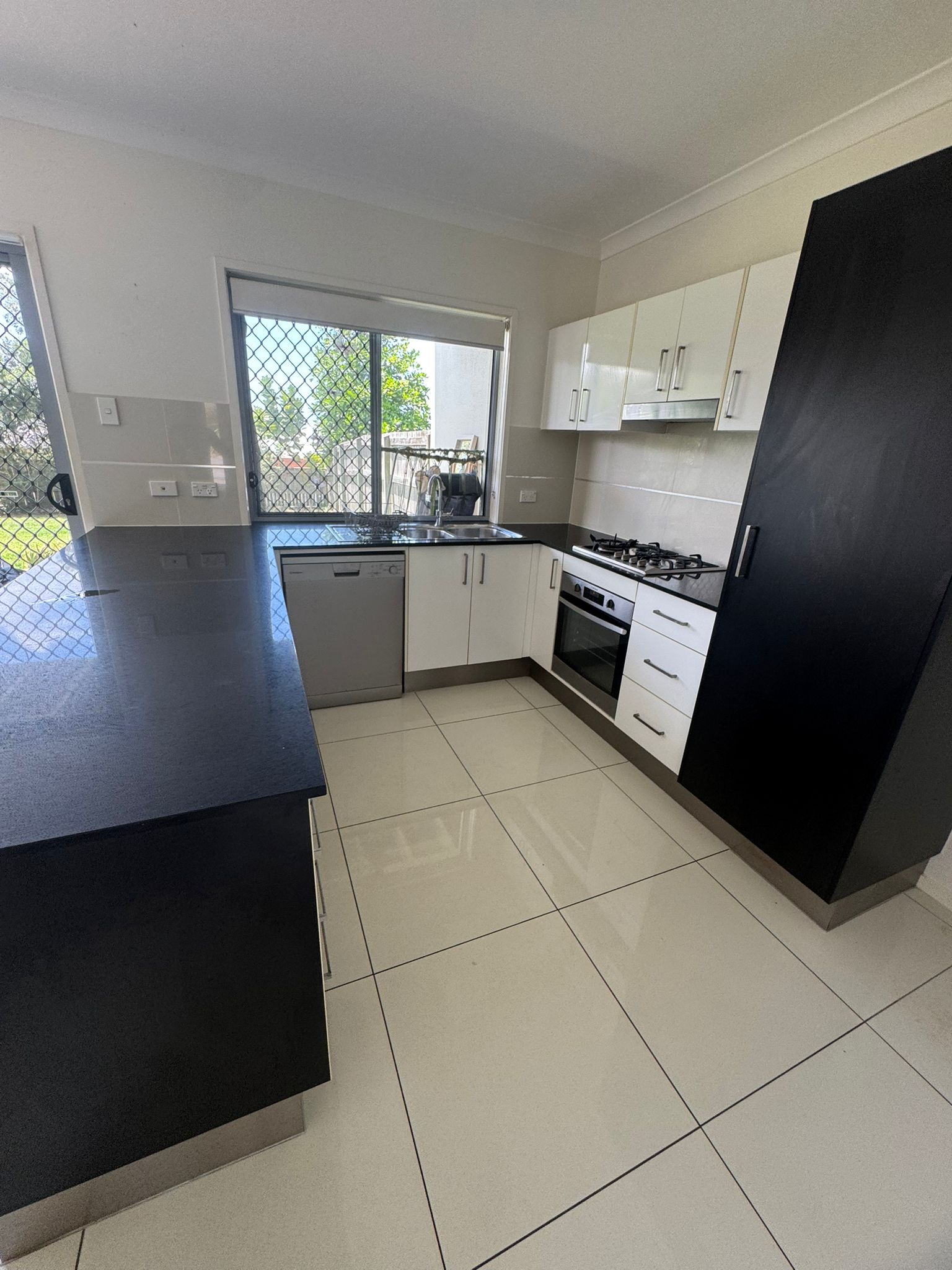
“If your bathroom needs a serious overhaul, explore our Bathroom and Kitchen Deep Cleaning Services.”
Step 8: Keep Pets and Pet Dander Under Control
You don’t have to give up your pets, but you do need a plan.
-
Brush pets regularly outside to reduce shedding indoors.
-
Wash pet bedding weekly.
-
Vacuum pet-frequented areas more often (sofas, carpets, beds).
-
Try to limit pets from sleeping on your bed if your symptoms are severe.
Step 9: Improve Air Quality
Deep cleaning is essential, but so is the air you breathe.
-
Open windows on days with lower pollen counts (check local conditions if seasonal allergies are an issue).
-
Use an air purifier with a HEPA filter in key rooms like the bedroom and living room.
-
Avoid heavy chemical sprays and strongly fragranced cleaners – simple, unscented options are often better for allergy sufferers.
-
Don’t smoke indoors and avoid candles or incense if they trigger symptoms.
Step 10: Create an Allergy-Friendly Cleaning Routine
Consistency is the key to keeping allergy triggers under control.
Daily
-
Quick vacuum or sweep in high-traffic areas
-
Wipe frequently-touched surfaces (handles, switches, benches)
-
Open windows briefly for fresh air (if conditions allow)
Weekly
-
Full vacuum of carpets, rugs and upholstery
-
Change and wash bedding
-
Dust surfaces with a damp cloth
Monthly / Seasonal
-
Wash curtains and cushion covers
-
Deep clean bathrooms and kitchen
-
Move furniture to clean behind and underneath
-
Consider a scheduled professional deep clean for a fresh reset
Internal link suggestion:
At the end of the routine section, link your booking page:
“If you’d like help staying on top of it, you can Book a Deep Cleaning Service and let our team handle the heavy work.”
Quick Recap: Deep Cleaning Tips for Allergy Sufferers
-
Declutter to reduce dust traps.
-
Dust from top to bottom using damp microfibre cloths.
-
Vacuum thoroughly and frequently (ideally with a HEPA filter).
-
Wash bedding, curtains and soft furnishings regularly.
-
Treat the bedroom as an allergy-safe zone.
-
Deep clean carpets and rugs, and consider professional cleaning.
-
Control mould and moisture in bathrooms and kitchens.
-
Manage pet dander with regular grooming and cleaning.
-
Improve air quality with ventilation and, if possible, air purifiers.
-
Follow a realistic cleaning routine that fits your lifestyle.
With steady, targeted cleaning habits, you can transform your home into a more comfortable, allergy-friendly space.
