 Blog
BlogYou can have the best website, the best equipment, and the best prices – but if your team doesn’t deliver consistent quality, clients won’t stay.
The real strength of a cleaning business isn’t just in the owner; it’s in the systems, training, and habits that every cleaner follows on every job.
This guide walks you through how to train your cleaning staff so that:
-
Every clean looks and feels the same (in a good way)
-
Clients know exactly what to expect each visit
-
You spend less time fixing mistakes and more time growing the business
1. Start With Clear Standards (What Does “Good” Look Like?)
You can’t train consistency if “quality” is vague.
Before anything else, define:
-
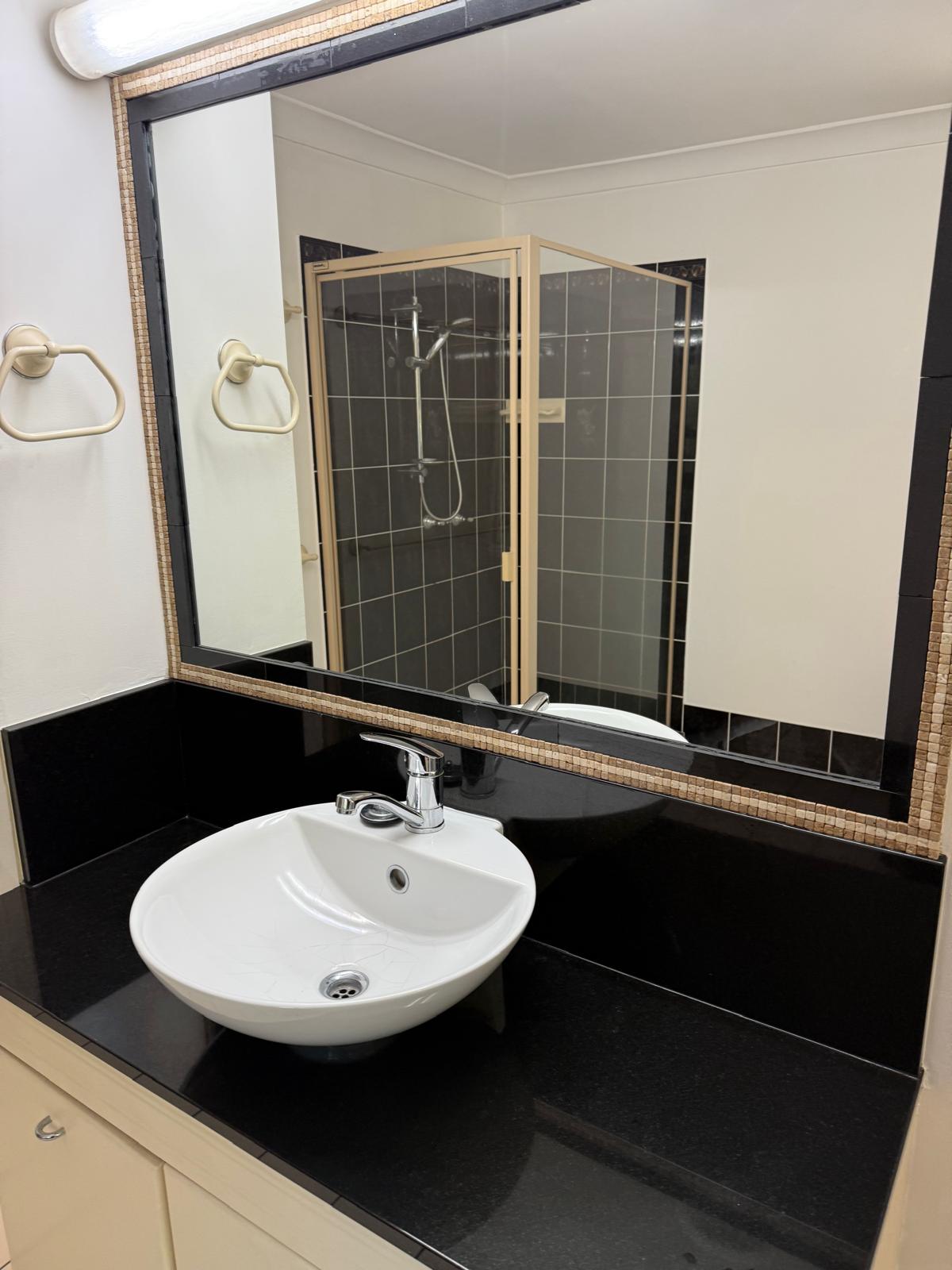
What a finished bathroom should look like
-
How a bond clean should meet agent / landlord expectations
-
What “ready for handover” means for builders’ or construction cleaning
Create simple, visual standards:
-
Before/after photos for kitchens, bathrooms, and floors
-
Short written descriptions: “No visible streaks on glass”, “No dust on skirting boards”, “Bins emptied and relined”
On your website, you can link these into your service pages:
-
“Our House Cleaning checklist ensures the same quality every visit.”
-
“Our End of Lease Cleaning is designed to meet real estate inspection standards.”
These standards become the foundation of your training.
2. Build a Structured Onboarding Program
Throwing new cleaners straight into a full job and hoping they “pick it up” is the fastest way to inconsistency.
Instead, create a simple onboarding flow:
-
Company Induction
-
Who you are
-
What you stand for (punctuality, respect, safety, quality)
-
Basic policies: uniforms, mobile phone use, smoking, confidentiality
-
-
Service Overview
-
Regular house cleaning
-
Deep cleaning
-
Any speciality services (e.g. construction cleaning)
-
-
Shadow Shifts
-
Pair the new staff member with an experienced cleaner
-
Let them observe first, then gradually take over tasks
-
-
Sign-Off
-
A simple checklist that a supervisor signs when the new staff member is ready to work more independently
-
A structured onboarding system makes sure every cleaner hears the same message from day one.
3. Use Checklists for Every Type of Clean
Checklists are one of the simplest ways to get consistency across multiple cleaners and multiple sites. Housecall Pro+1
Create separate checklists for:
-
Regular house cleaning
-
Deep / spring cleaning
-
End of lease / bond cleaning
-
Office / commercial cleaning
-
Builders / renovation cleaning
Each checklist should:
-
Be easy to read on paper or a mobile device
-
Follow a logical order (top to bottom, left to right, back to front)
-
Include quality checkpoints (e.g. “Check mirrors for streaks”, “Double-check behind doors”)
You can also reference these on your website:
“Every house cleaning and office cleaning visit follows a detailed checklist so nothing is missed.”
Checklists don’t replace training – they support it and keep standards consistent even when staff are tired or under pressure.
4. Train on Technique, Not Just Tasks
“Clean the bathroom” can mean very different things to different people.
Your training should focus on how to clean, not just what to clean:
-
Correct Order of Work
-
High to low (dusting before vacuuming)
-
Dry tasks before wet tasks
-
Leaving floors till last
-
-
Chemical Knowledge & Safety
-
Which product for which surface
-
Correct dilution and contact time
-
What not to mix (e.g. bleach and ammonia)
-
PPE and safe handling of chemicals issa.com+1
-
-
Equipment Use
-
Proper vacuum technique (edges, under furniture, corners)
-
Mop systems (how often to change water, correct wringing)
-
Microfibre cloth folding for maximum use
-
-
Attention to Detail
-
Corners, edges, door handles, light switches
-
Checking from the client’s eye level
-
Doing a final visual walk-through
-
Practical, hands-on demonstrations work far better than just handing someone a list or manual. issa.com+1
5. Teach Time Management and Pace
Your staff can do a “perfect” clean that isn’t profitable if it takes twice as long as it should.
Include time management in your training:
-
Explain expected time frames for typical jobs (e.g. “Standard 3-bed home on a regular clean: approx. X hours for one cleaner”)
-
Show them how to prioritise tasks if time is tight
-
Teach them to move efficiently without rushing – carrying the right tools, planning their path, avoiding backtracking
Use role play or timed practice sessions to help them understand what a professional pace feels like.
6. Build Communication and Customer Service Skills
Consistency isn’t just about cleaning tasks. It’s also about:
-
How staff greet clients
-
How they handle complaints or special requests
-
How they communicate if they’re running late
Train your team to:
-
Introduce themselves politely
-
Confirm any special instructions at the start of the job
-
Ask the client to walk through at the end (where appropriate)
-
Report any issues (damage, access problems, unsafe conditions) to the office immediately
This is especially important for commercial and office cleaning where you may be dealing with building managers or multiple stakeholders. YourAspireSoftware+1
You can reference this on your site:
“Our commercial cleaning teams are trained not just in cleaning, but in communication and professionalism on-site.”
7. Use Quality Checks and Regular Feedback
Training isn’t a one-off event; it’s an ongoing cycle.
To maintain consistency:
-
Site Inspections
-
Random spot checks by a supervisor
-
Use a simple scoring system (e.g. 1–5) for different areas
-
Take photos of issues and good work
-
-
Feedback Loops
-
Share feedback with staff in a constructive way
-
Celebrate good work, don’t only point out problems
-
Turn recurring issues into mini training sessions
-
-
Client Feedback
-
Short follow-up messages after first visits
-
Periodic surveys for regular clients
-
Use this data to update your:
-
Training content
-
Checklists
-
Standard procedures 7venology+1
8. Document Everything: SOPs, Handbook & Training Records
To protect your business and make training repeatable, document your systems.
Standard Operating Procedures (SOPs)
Create simple SOPs for:
-
Kitchen cleaning
-
Bathroom and toilet cleaning
-
Floor care (vacuuming, mopping, hard floors, carpets)
-
Glass and window cleaning
-
Builders / post-construction cleans
Each SOP should include:
-
Step-by-step instructions
-
Products and tools to use
-
Safety notes
Employee Handbook
Your handbook can include:
-
Company values and culture
-
Code of conduct
-
Health & safety rules
-
How to handle keys, alarms, and client privacy
Training Records
Keep a record of:
-
What training each staff member has completed
-
When refresher training was done
-
Any corrective coaching after complaints
This isn’t just good practice – it’s also useful if you’re working with larger commercial contracts that expect a formal training program. issa.com+1
9. Refresh Training Regularly
Products change, client expectations evolve, and staff can slip into bad habits over time.
Schedule:
-
Quarterly mini refreshers (30–60 minutes)
-
Annual full refreshers on safety, chemicals, and key procedures
-
Extra sessions when you introduce new services (e.g. end of lease cleaning in a new area, or construction cleaning)
Use real photos from jobs, real client feedback, and real examples from your team to keep training practical and relatable.
10. Link Training to Growth and Recognition
People perform better when they can see a future.
Tie training into:
-
Pay reviews or progression (e.g. Team Member → Senior Cleaner → Supervisor)
-
Extra responsibilities as they master different types of cleans
-
Recognition programs (e.g. “Cleaner of the Month” based on client feedback and quality scores)
This not only improves consistency but also helps reduce staff turnover, which is a major challenge in the cleaning industry. YourAspireSoftware+1
Internal Linking Ideas for This Blog
Within this blog page, you can naturally add links such as:
-
“See what’s included in our House Cleaning Services.”
-
“Our trained teams specialise in End of Lease Cleaning for stress-free inspections.”
-
“For offices and commercial sites, visit our Office Cleaning page.”
-
“Want a tailored quote for your site? Contact us today.”
These internal links help visitors explore your main services while strengthening your site’s SEO.
Final Thoughts
Training your cleaning staff for consistency and quality isn’t about one big training day. It’s about:
-
Clear standards
-
Simple checklists
-
Practical, hands-on coaching
-
Regular feedback
-
Ongoing refreshers
When you put these pieces in place, your clients get the same reliable result every time – no matter which team member turns up – and your business becomes easier to run, easier to scale, and far more profitable.
